Two Vows at One Gate
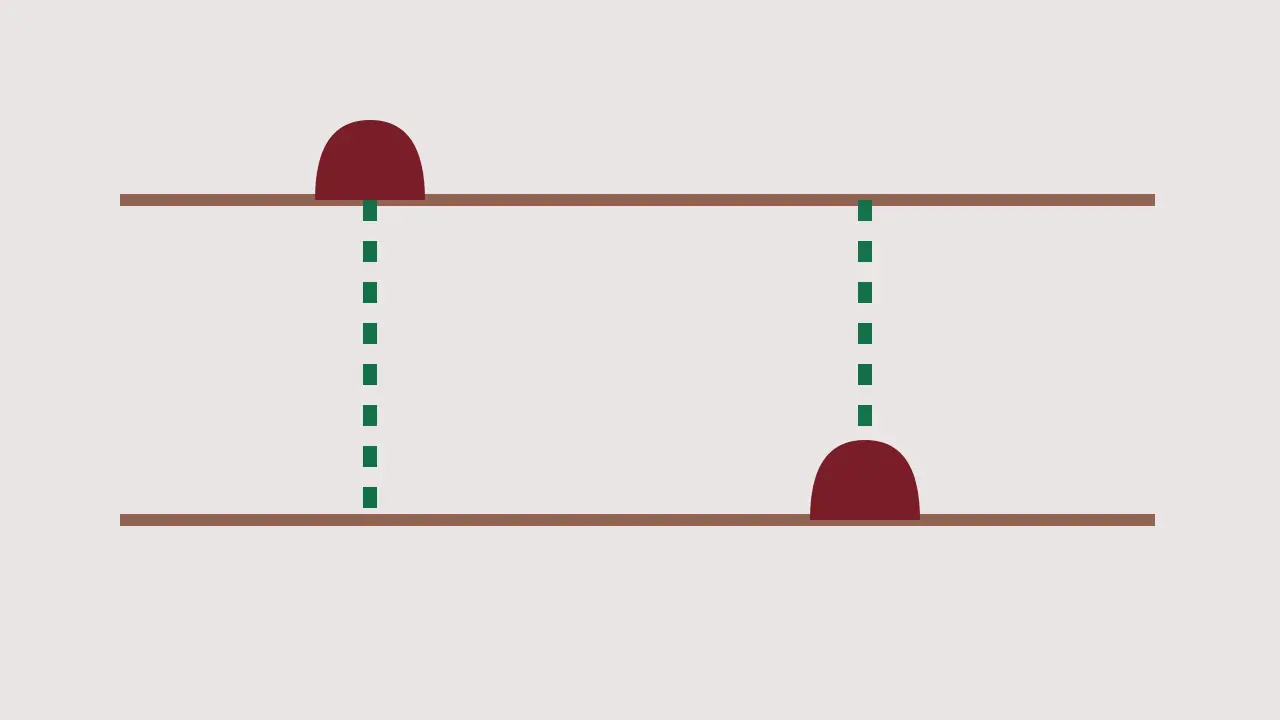
Two people in Oath of the Second Bell have promised to receive travelers when a bell sounds. The keeper understands that promise to refer to the first sound from inside the hall. A witness on the outside stair heard a second bell and understood that to mark the change. This test examines what to retain in the record when both accounts belong to people who sincerely expected the same passage to open.
Open the record at the disputed line
Give both speakers the same original wording. The keeper can point to an action performed at the first bell. The witness can point to another action that took place near the second. It helps if the two actions leave visible evidence at different locations. The gate cord may still be in place after the inner sound. It may be hanging at the shoulder of the stair when the second sound reaches the hill. The player can put each claim beside the fact its speaker could see.
Do not mark one statement false simply because it arrives first in the interface. The first reading should show speakers and times together. The player can then move from the first statement to the place where it was heard. That short route is a way to check the source. If neither viewpoint can establish which bell the original wording meant, the uncertainty belongs in the record and remains there through the next question.
An amended vow has a place and a time
The envoy can suggest wording for the following day. It can name both bells and say which event releases the duty. The original vow should stay available, because a traveler already waited at the gate under its older wording. Add the amendment beneath the original with the people who accepted it. The new line governs later visits. It does not automatically change what each person understood on the first day.
Try an alternative where the envoy asks the keeper what happened between the signals before proposing language. This can establish that the inner sound began preparations and the outer bell marked a later step. The question may clarify which account describes the travelers’ experience. It still does not establish who was meant to bear the duty if the keeper and witness interpreted the original text differently. Give the player the option to leave that older disagreement unresolved.
Make the consequences part of the return visit
On the next trip, a traveler can be waiting at the lower stair. Let them ask the envoy which promise applies to them. The record should provide enough evidence to answer by looking at the day and the people named. This is a better test of clarity than a closing summary written by the game. It also provides a natural place to point out that a proposed line remains unsigned until the relevant speakers accept it.
For a second playthrough, move the same waiting traveler to the earlier visit. If the player still assigns the amended wording to them, check whether the amendment is visually distinguished from the original. The answer may not require another explanatory paragraph. It may require better placement of the short line that says when the change takes effect.
Review both promises together
Record the witness order alongside the answers.
Ask who can expect passage now, who could expect it before the clarification, and what evidence supports the difference. Record whether the player recalls the earlier uncertainty. Who Keeps the Water uses the same method to track the person responsible for work. From the Lower Step examines how the two viewpoints can establish where a signal belongs.