From the Lower Step
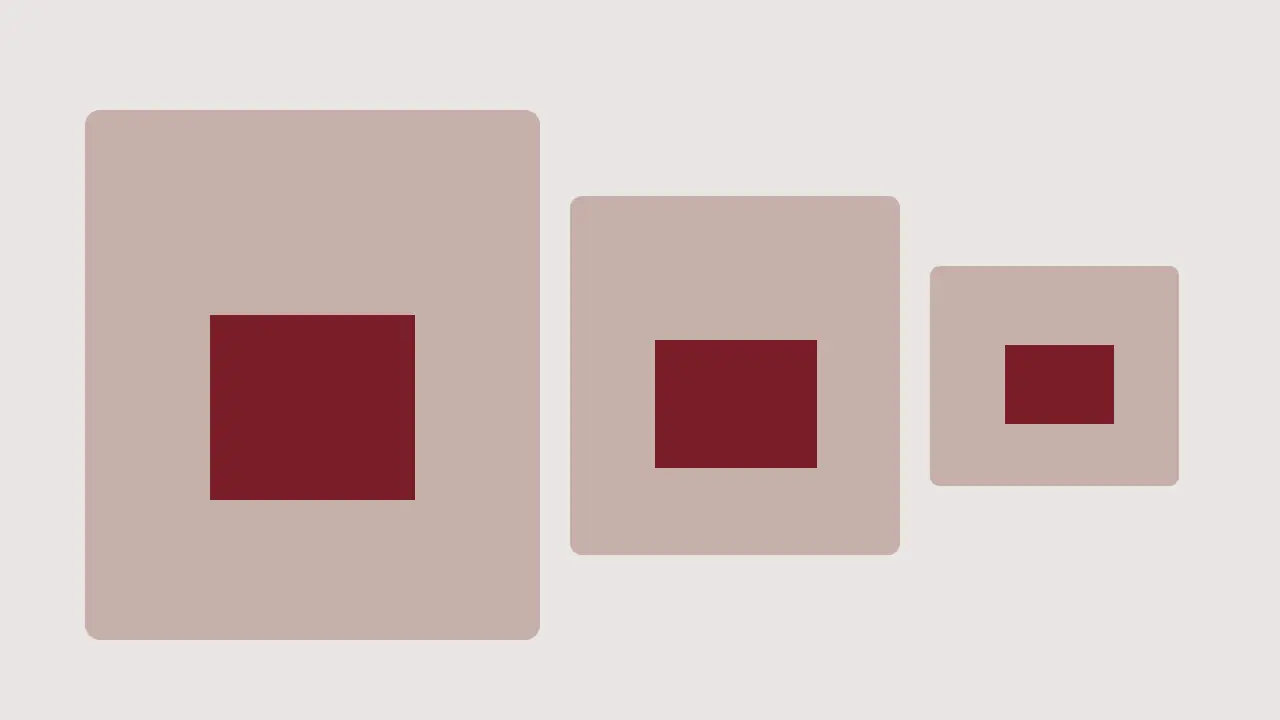
The lower shrine in The Terrace Petition reads as a door, a stone platform and a narrow channel. From the road above it, the same place becomes a turn in a route from the fields to the mountain. This study asks how to show a change in scale without making the envoy appear to arrive in a different place. That continuity gives someone reading the case several ways to understand which claims come from observation.
Set the first drawing at the water
The lower drawing shows where water passes beneath the ledge and where a person can turn to face the gate. Use a dark red lintel as a relatively small landmark. A person standing here can hear water and read the wet mark on stone. They cannot see the whole of the channel. The part they can describe should be visible without scrolling the drawing, because it establishes what the observer can know before they speak.
Keep the envoy’s petition on the step in both views of the threshold. Before a reply the stone is pale. After the reply, a narrow reflection runs across the water and the edge is darker. A clear caption describes that change alongside the two drawings. People who prefer a static image pair can follow the difference without using the reveal control. The paper stays in place to show that both drawings concern the same moment in the case.
From the middle terrace
Draw the same red lintel from the terrace above, now less prominent than the lower roofs beside it. The path from the seed storage runs left and passes out of sight at the channel. The second drawing identifies the turn the player can take. It also shows where a witness on the road would lose sight of the envoy. Do not darken the lower gate so much that the player loses the landmark they used from the water.
Include one view that makes the distance easy to misjudge. Mist may hide two small roofs and make the shrine look closer to the village than it is. Compare a caption naming the middle landing with a visual mark on the turn. The intended result is for the player to point to the same road in both drawings and understand how long it takes to move between the two places.
What carries to the upper stair
Leave room for the caption at each scale.
At the upper stair, the valley is a line of terraces behind the keeper. A note from the lower village arrives here with its own route attached. Show the path it came by and keep the landmarks recognizable even though the person reading the note cannot see the people who wrote it. The scale of the drawing now concerns who is able to hear an event. A bell close to the hall can be difficult to place from the lower channel.
For the first test, ask players to match three observations to the three drawings. Then ask which route they would take to speak with someone who heard the other bell. See whether the view of the mountain helps them distinguish what the two speakers could know. Oath of the Second Bell tests the significance of that distance. A Witness on the Return Path asks when the envoy can use a route to hear a statement again.
Write down the landmarks players used without pointing them out during the test. If the red lintel matters in the low view but nobody recognizes the upper one, compare the view angles before upscaling the gate. A repeated landmark works when its location survives the change in perspective.